by Jonathan
Regarding boundaries, Jesus, and the dangerous idea that we should all be BFFs…
by Jonathan
Regarding boundaries, Jesus, and the dangerous idea that we should all be BFFs…
by Elizabeth
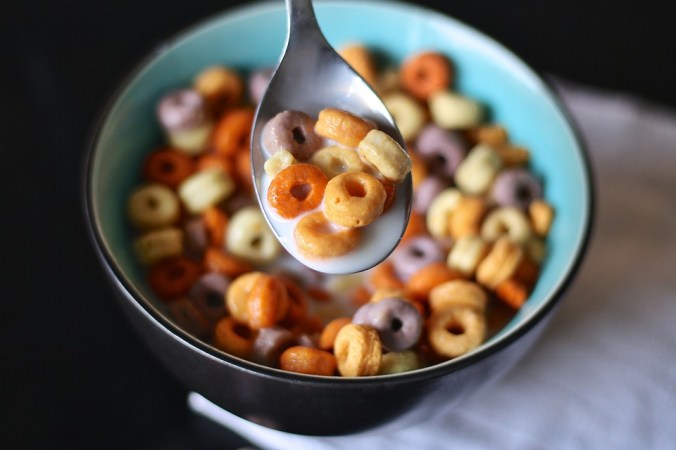
Some days I spend hours reading aloud with my kids. Sometimes that means science doesn’t get done. Other days we pore over science books for hours, but grammar doesn’t get done. Some days we get all the subjects done, but I run out of time to prepare dinner. On days like those we eat cereal for supper. But only if we have milk in the house.
Or we might eat peanut butter and jelly sandwiches for supper. But only if we have bread in the house. Because even with dedicated weekly meal planning and shopping trips, I can rarely keep enough bread or milk in the house. Which makes for a lot of husband-texts like “please pick up bread or we won’t have supper” and “please get milk or there will be no breakfast.” If all else fails, I pop popcorn.
Some days not every school subject gets done, but I dance with my younger kids and laugh at my older kids’ jokes. Other days I put in a good, solid school day with the kids and feel satisfied but much too tired to write. I’m almost always too tired to exercise. Mostly I force myself to work out. I know from experience what happens if I don’t. Sometimes I don’t get to my email for weeks. Or I go for weeks without having time or mental energy to write. In those times I can really become unpleasant to live with.
Sometimes I go months without spending time with my closest friends. Sometimes I have so many social, school, and ministry engagements that I don’t get sufficient time by myself to be a kind, sane person. Sometimes I’m so worn out by all this busy rushing that I lock myself away and skimp on spending time with my husband. Other times I choose to hang out with my husband regardless of what else “should” be getting done. And nothing does get done, but I sure am happy. I have discovered, in fact, that husband time is the biggest key to my happiness.
Sometimes I bemoan the fact that I can’t do everything all the time. That I can’t seem to get my life in order and pull myself together and balance all the needs. But maybe I’m not supposed to. Maybe every day isn’t supposed to contain every thing. Maybe each day is only supposed to contain some of the things. Maybe something is always going to fall through the cracks.
And maybe I’m supposed to be ok with that.
by Jonathan
Here’s a link to the article I mention in the video: The Gaping Hole in the Modern Missions Movement.
Here’s a link to the feelings wheel.
Hey all, just a quick note to let you know Jonathan and I were on Facebook Live for about an hour last week, talking with friends and readers all over the world. If you want to watch a replay of our conversation, Jonathan posted it here. We talked about many topics during that hour, so Jonathan included a cheat sheet of sorts in the replay. ~Elizabeth
Recorded at ICA in Phnom Penh, Cambodia, March 2017.
To listen to the message, Click Here or visit the trotters41 podcast on iTunes.
Paul concluded his message to the Ephesians with the idea of Love mixed with Faith(6:23), and I borrowed his thoughts for a bit. Here are some excerpts…
Love comes to seek and save the lost, while Faith believes they can be.
Faith empowers Jesus to prophetically imagine a new paradigm for the co-crucified: “Today, you will be with me in Paradise.” While Love communicates the fantastical truth: “I want you with me in paradise.”
Faith innervates Jesus’ declaration to the Samaritan woman, “If you only knew the gift God has for you….”
But Love is what got Jesus talking with her in the first place.
“Love joined with faith.”
Faith helps me believe the Gospel. Love helps me share it.
Without Faith, Love lacks vision and imagination, leaving us without mooring and definition.
Without Love, Faith becomes cold and unapproachable, leaving us bitter and mean.
We need both.
Love mixed with Faith.
 Jonathan & Elizabeth Trotter