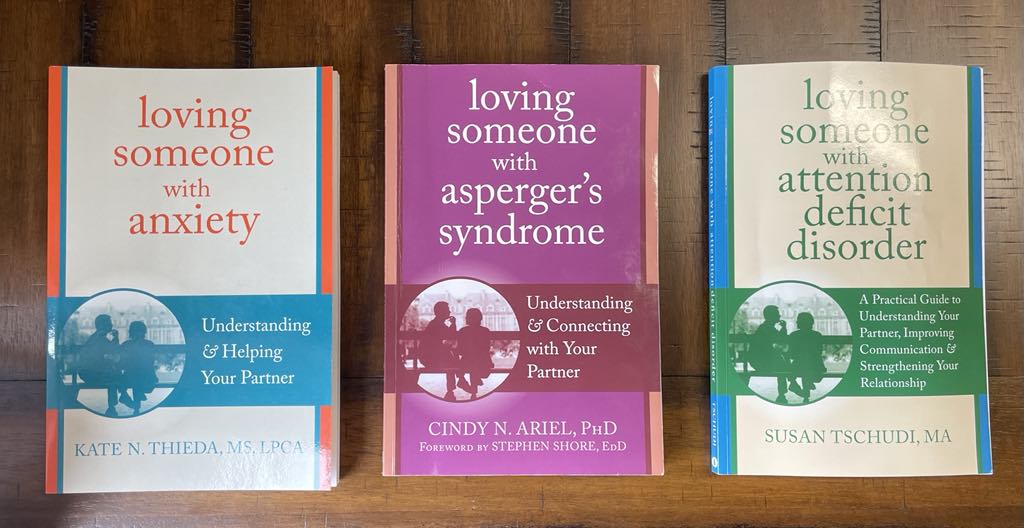
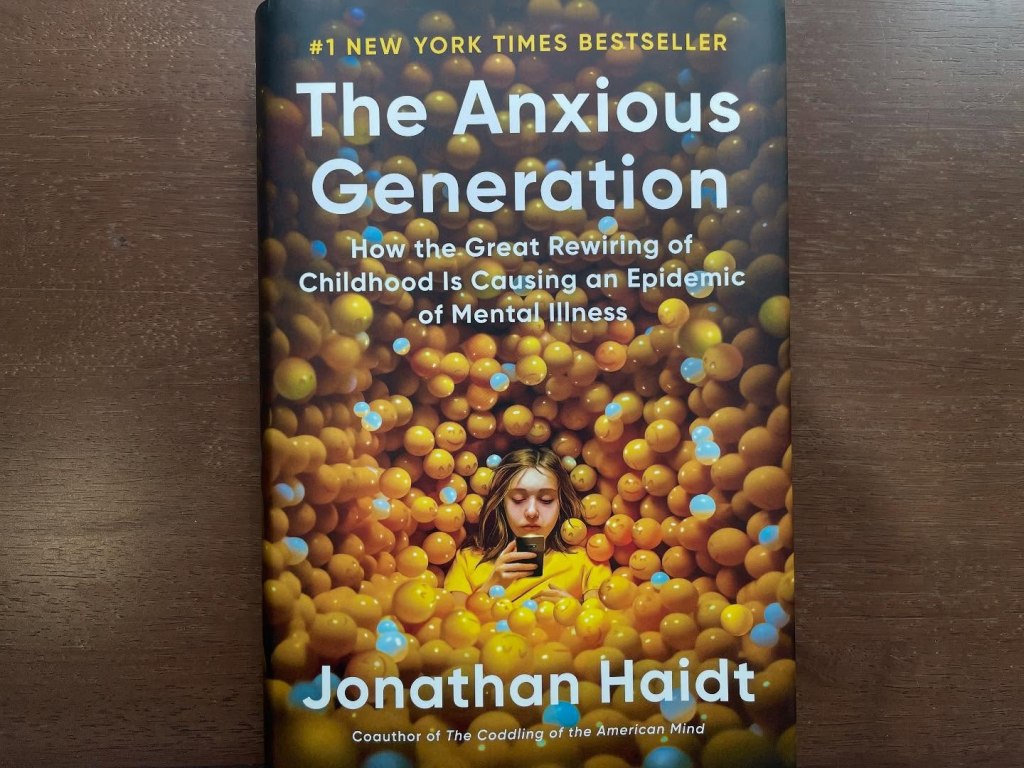
These three books have been very helpful for a bunch of clients, and if you feel like one might fit your situation, check it out. They seem to do a pretty good job of validating the spouse’s experience, while also giving hope and compassion and ideas for moving forward. Find the books on Amazon here:
NOTE: Asperger’s is no longer the correct technical term for that end of the autism spectrum, although some people with Autism Spectrum Disorder still prefer it. This particular book is several years old.
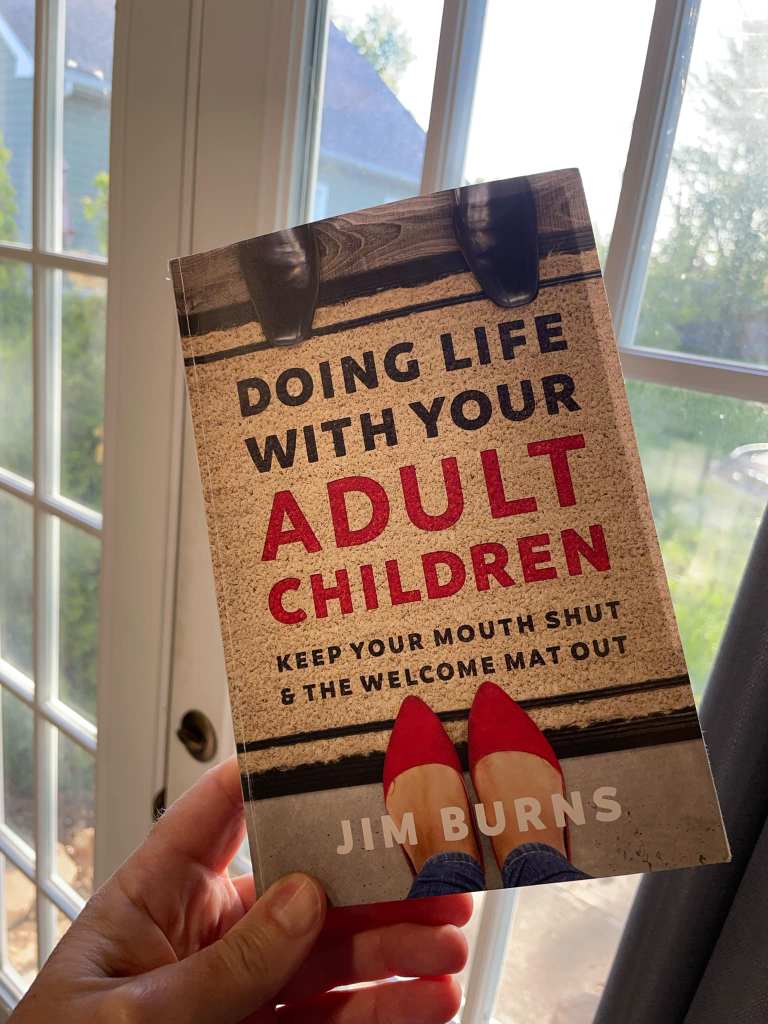
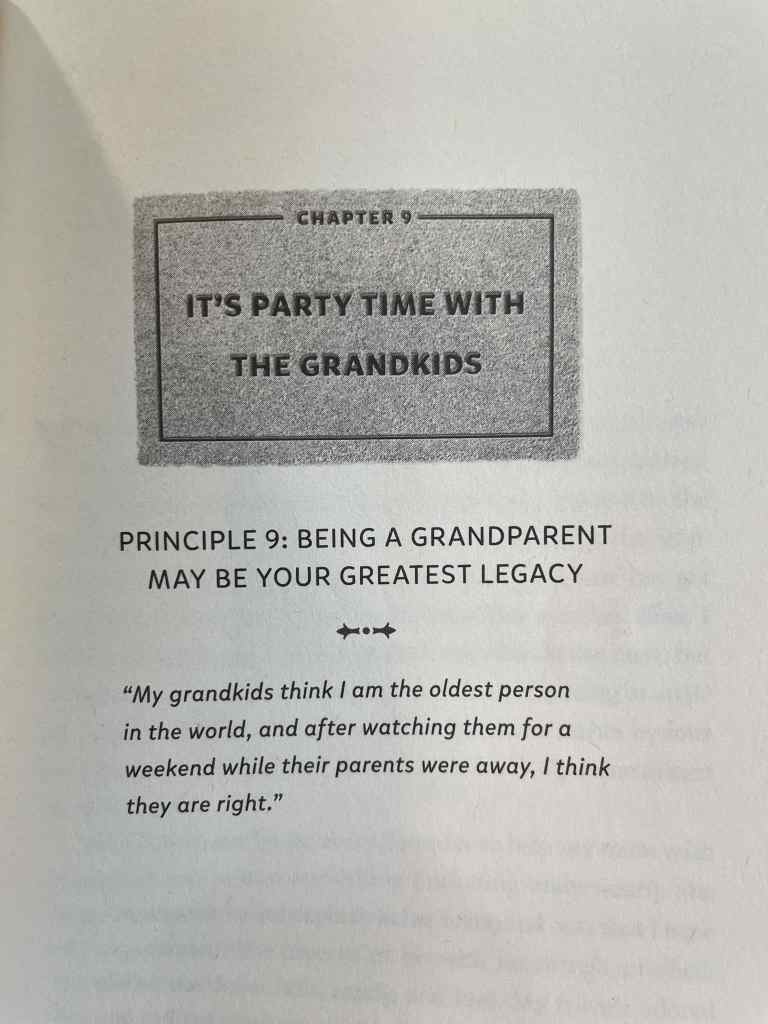
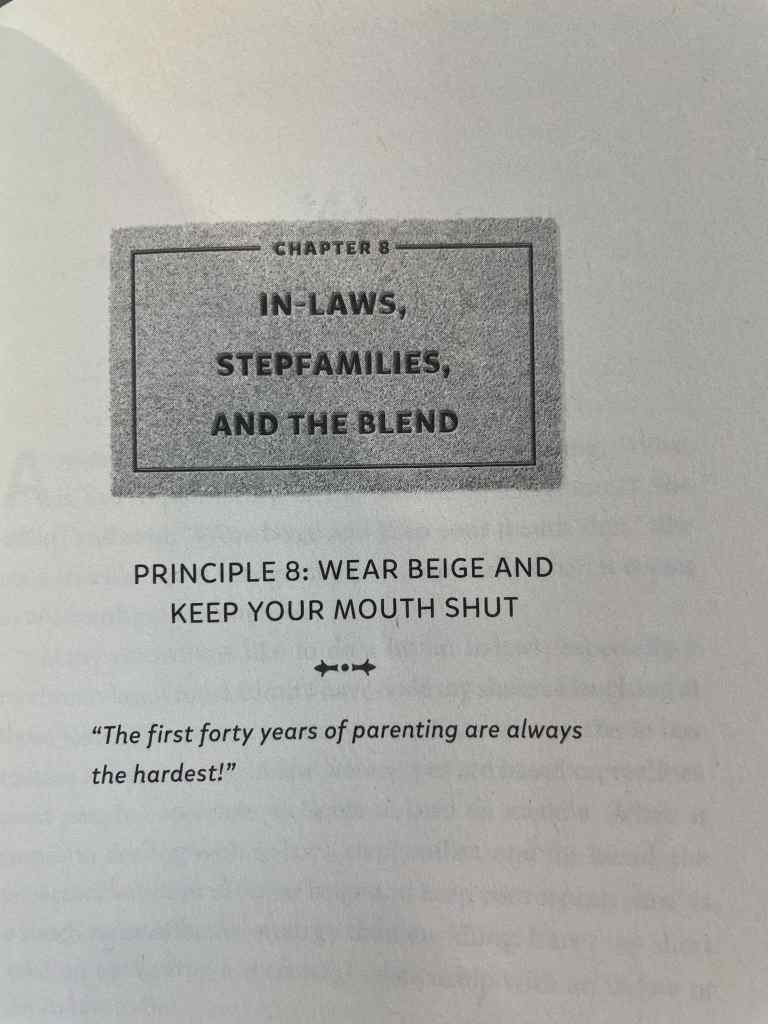
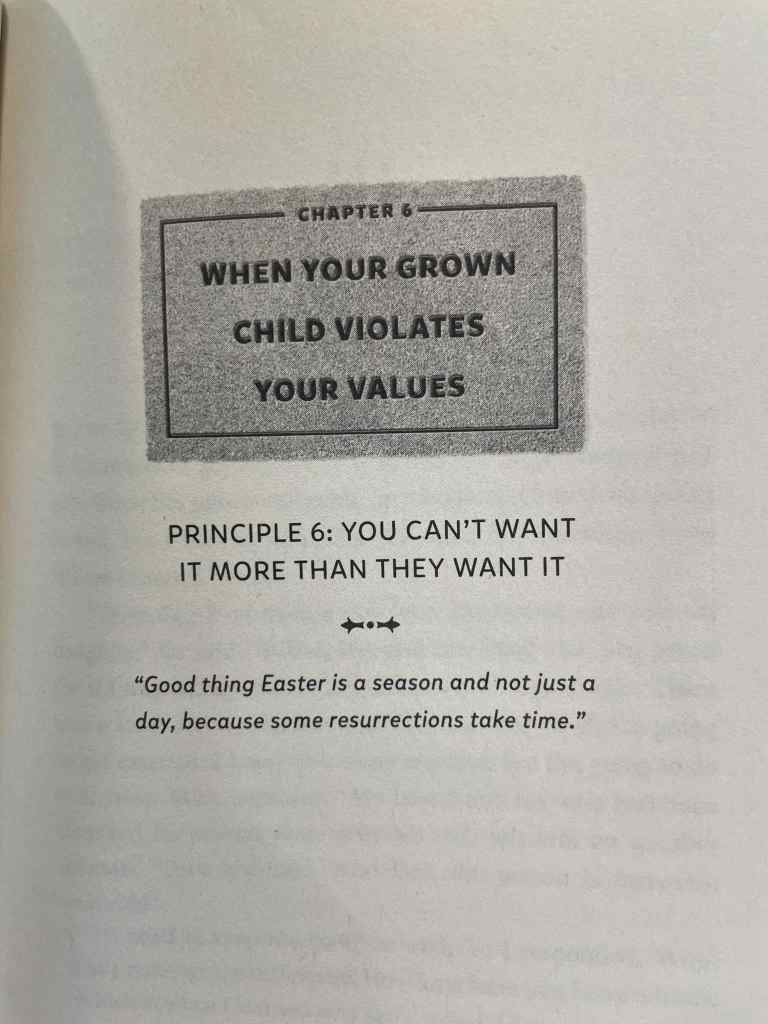
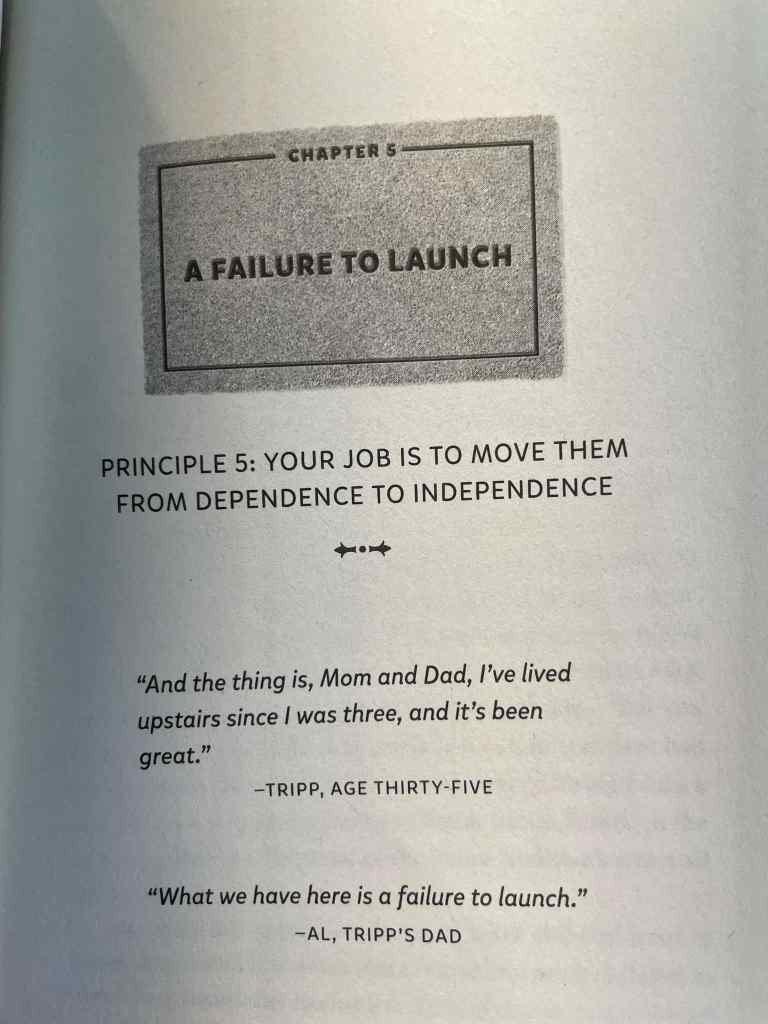
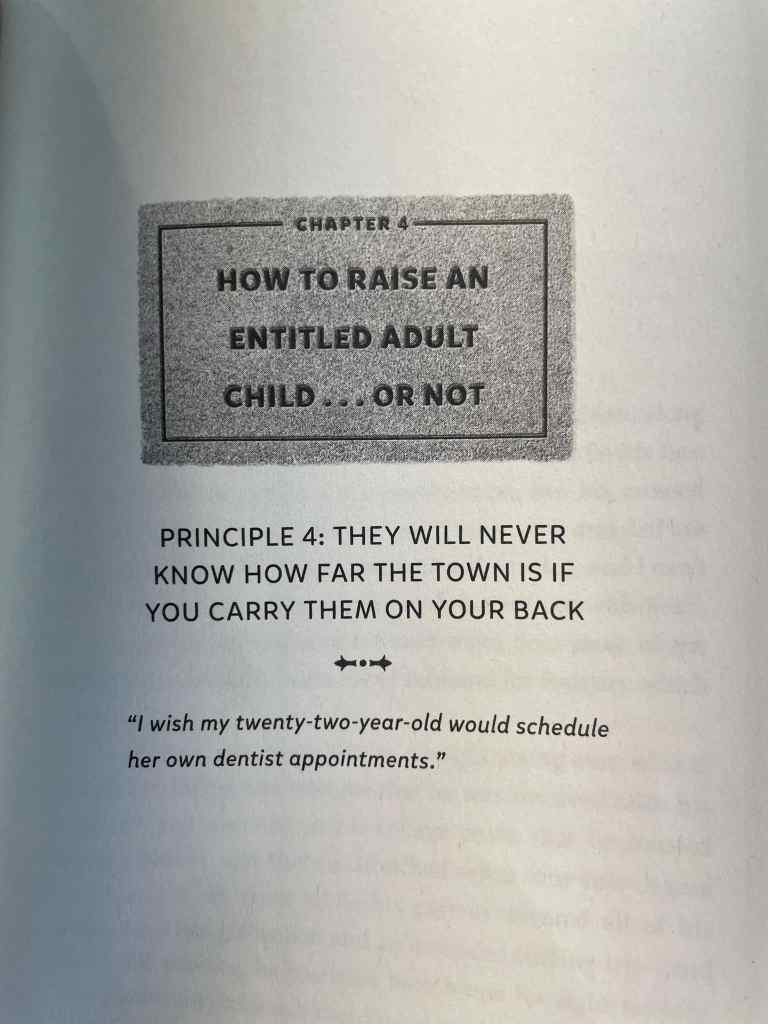
“When I went looking for resources, I was surprised to discover that, compared with the literature available for the early years of parenting, there is relatively little available about the challenges of parenting an adult child. Yet we will spend more time as a parent of an adult child than we will as the parent of a young child and adolescent.” — Jim Burns
I first heard of this book a couple of years ago and LOVED the title. Well, I just got around to reading it and I think I will be recommending it regularly. It’s simple, straightforward, and not too serious. Check it out…
This spring I read three of the best books I’ve ever read. One in particular I couldn’t stop talking about for weeks – but it wasn’t the sex book! I had to start with that word, though, because I knew it would grab your attention.
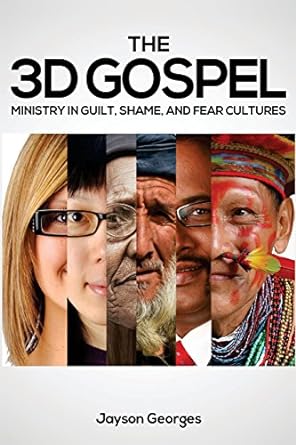
When Christine Paterson of FieldPartner recommended the book and mentioned that it was only $3.99 on Kindle, I figured I’d give it a try. I intuitively knew that American culture held more than just a guilt/innocence worldview and that shame/honor and fear/power comes into our thinking as well, and I was eager to learn the specifics of each worldview.
What I didn’t expect was for the book to so thoroughly rewrite my understanding of culture. I underlined nearly the entire book. At only 80 pages in paperback, there’s no fluff here. Every word seems essential, and every sentence sheds light on world cultures and their differing assumptions and thinking processes. I began to understand shame/honor and fear/power cultures more fully, and I began to see how the Bible beautifully addresses all three cultural concerns (guilt, shame, and fear).
Once my eyes were opened to this, I even began to see these three concerns addressed in most of our worship songs. In Western cultures we tend to tell the gospel story only through a guilt-innocence lens, and while that’s not wrong, it is incomplete. We look to God for help with our problems regarding fear and shame, but we don’t tend to bring these perspectives into our telling of the Gospel story, and this hinders our spiritual growth.
Thankfully, we can offer people a more three-dimensional gospel, one that has the power to redeem their day-to-day struggles with fear and shame, whether in our passport culture or a host culture. God knows the human heart and has offered a solution for all our problems in Jesus Christ.
This book made me fall in love with God all over again.
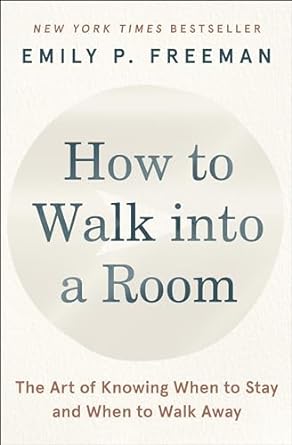
I remember resonating so deeply with Emily’s podcast episode, “How to Walk Out of a Room,” a couple years ago. The episode was mercifully devoid of details so that her principles could apply to all sorts of situations. When I heard she was writing a book based on that episode, I knew I would want to read it.
Emily is a spiritual director and has a master’s degree in spiritual formation, and she has a way of walking with people in discernment that is quiet and calm. She offers a “non-anxious presence,” as they say in spiritual direction circles. (Full disclosure: I’ve been meeting monthly with a spiritual director for about the past year, and it’s been a huge part of drawing my heart back into conversation with God after some dry, lonely years.)
I had a feeling this book would be important, and so I decided not to mark it up but to leave it empty and, in a way, sacred. Instead, I would rewrite meaningful sections in my journal. This helped slow me down and really savor Emily’s words. It helped me process the past, it helped me learn how to make better decisions, and it gave me peace in the decisions I was making. Then one day I looked around and realized I was making decisions much more easily than I had in the past, even small daily decisions, and I had to wonder if this book had something to do with it.
The thing I love about this book – and that sets it apart from other books purporting to help people recover from restrictive religious environments and explore a more expansive relationship with Christ – is that Emily gives tangible steps people can take to process the past and discern their present and their future. To walk with Emily is to learn together how to listen to God.
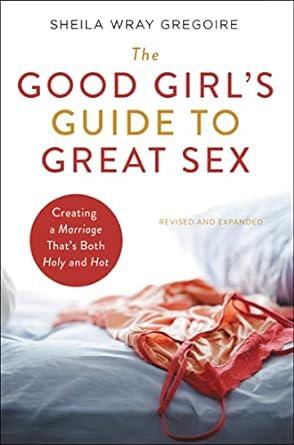
This is the book every woman needs to read before she gets married – or after, if things in the bedroom aren’t working, whether she got married a year ago or 30 years ago. Sheila co-wrote The Great Sex Rescue with two other authors, and it’s a great research-based book that helps people untangle their unhealthy and unbiblical beliefs about sex, but The Good Girl’s Guide really gets into practicalities.
I heard it recommended by a Bible college professor who teaches classes about sexuality, and I wanted to check it out myself. There was an earlier version of the book, but just this year it was revised and expanded, so I read the revised version. This is the book I will give to my daughters when they are engaged or newly married. I still recommend Aanna Greer’s Darling: A Woman’s Guide to Godly Sexuality for those who are quite innocent or naive about sex and their bodies, but Sheila’s book is a necessary follow-up.
Sheila, along with her pediatrician husband, also wrote The Good Guy’s Guide to Great Sex: Because Good Guys Make the Best Lovers. I haven’t read that one, but I’m assuming it’s good because that same Bible college professor recommended it and because it’s from an author I trust.
I hope these books will help you or someone you love.
I thought I’d like this memoir from Philip Yancey, but I had no idea it would be such a page turner, lurching from fundamentalism to racism to grace to dysfunction to mercy to LSD to classical piano to faith and on and on and on.
“An upbringing under a wrathful God does not easily fade away.”
For someone who’s written so much (and so gently) about suffering and grace, I should not have been surprised at the terror, trauma, and healing present in Yancey’s story.
“Like every secret, it gained power as it lay hidden.”
If you’ve wrestled with religious burn out, or if you’ve had a hard time reconciling the church with Christ, you might resonate with this book.
“As a boy wandering in the woods, a teenager constructing a psychic survival shell, a lovesick college student running from the Hound of Heaven — in all those places I found what T.S. Eliot called ‘a tremour of bliss, a wink of heaven, a whisper.’ I came to love God out of gratitude, not fear.”
This book will endure for quite some time, I think.


 Jonathan & Elizabeth Trotter