The Idolatry of Missions {A Life Overseas}

Jonathan is over at A Life Overseas today, taking on a touchy subject.

idolatry-of-missions1-438x300

Missionaries are like the church’s Special Forces, right? They go into enemy territory, sometimes covertly, tearing down walls for Jesus. They have special training, preparing them to serve in the darkest places around the globe. Missionaries are on the front lines of the Kingdom of Heaven, right? I’m sorry, but no.

Wherever the Gospel is advancing, there is the front line. Wherever lives are being transformed by the love of Jesus, there is the leading edge of the Kingdom.

But aren’t missionaries the crème of the crop? Um, yeah, no. Turns out, we’re just people. We may travel more than most, and maybe we speak more languages than some, but the idea that missionaries are somehow “set apart” is dangerous. I’d like to begin a discussion about this. Care to join?

Whether these false ideas come from the missionaries themselves or those who send them, the consequence is the same: damage. Damage to the missionaries and damage to the churches who send them.

Finish reading this post here.

Distractions and the Voice of Jesus

by Elizabeth

distractions1

Follow Me. Jesus whispered these words to me a few months ago. I was in church. It felt like He was right there in front of me, pointing His finger at me and saying, “Elizabeth Trotter? Yes, you. I want you to follow Me. You — just you — follow Me.”

Rarely does Scripture come to me fast, strong, and seemingly out of nowhere like this. I knew this phrase came from John 21, so I opened up my Bible and read it. I hadn’t been reading this story lately, and it wasn’t a story that had ever meant much to me before. So I knew I had to pay attention to this message from God.

Over the next few weeks, I read the story, and re-read it, and then read it some more. Because the truth was, I was distracted, and I desperately needed to hear its message.

One morning after the Resurrection, Jesus and His disciples are by the sea, eating bread and fish. Jesus starts talking to Peter and asks, “Do you love me?” Peter answers, “Yes, Lord, you know I love you.” Jesus tells him, “Then feed my sheep.”

A second time Jesus asks Peter, “Do you love me?” A second time Peter answers, “Yes Lord, you know I love you.” And a second time Jesus tells him, “Then feed my sheep.”

Yet again Jesus asks Peter, “Do you love me?” Peter’s feelings were hurt, and he answered again, “Yes Lord, you know I love you. And again Jesus tells him, “Then feed my sheep.”

Jesus then tells Peter what kind of death he is doing to die. Peter turns to look behind him and sees John. Peter then asks Jesus, “What about him, Lord?” Jesus replies, “If I want him to remain alive until I return, what’s that to you?? As for you – follow me.”

I get distracted by so many things. I get distracted by feeling sorry for myself. I tell myself I’m such a terrible missionary because I don’t speak the language very well. I tell myself I don’t measure up, and I’ll never measure up. That I will never be good enough or worthy enough, and that everybody is rejecting me.

I get distracted by jealousy. I’ll see someone else who’s been given amazing ministry opportunities, and I’ll wish I had those opportunities. Why can’t that be me, God? Why can’t you let me do that? Why does she get to do that when You know I want to do it? Whether it’s teaching math and chemistry, or attending births as a doula, I can get distracted by what I don’t get to do instead of finding joy in what God has assigned me to do.

But the biggest distraction for me, by far, is controversies within the American church. Since I’ve moved overseas, I’ve kept up on hot-button issues in the United States. I tell myself I do this so that “I’m not out of the loop when I return.” But I’m not just informing myself when I read controversial blogs; I become emotionally embroiled in them.

I read what all the online voices are saying, and I become very worried over the direction of the Church. I have intense intellectual and emotional reactions to inflammatory blog posts. I formulate arguments in my head to combat them. ABC is right, and here’s why; XYZ is wrong, and here’s why. Surely that’s helpful, right?

Wrong. It doesn’t help. All it does is agitate and depress me. It distracts me from doing what God has already clearly told me I need to be doing with my time. Which means I’m wasting a lot of the time He has given me. It means I’m squandering His gifts.

Distractions, distractions, distractions. Not a single distraction is helpful for ministry, or my own personal spiritual life. Each distraction keeps me from doing what God has called me to do in this season of my life. When I get distracted by feelings of jealousy or inadequacy, or by worry over the future of the Church, I don’t have the time or energy to do any of the things He has called me to do. I cannot fulfill His purposes in my life if I spend all my time reading other people’s angry words.

The truth is, it’s not my job to guide the global Church. That’s the job of Jesus, and He can handle it. Hearing from God and writing out of my own relationship with Him does not in any way require that I be up-to-date on church controversies. It just doesn’t. I can follow Him without regard to what He is doing in anyone else’s life but my own. The truth is, I don’t have to know about religious debates in order to love my husband and children well, and to love women and teen girls well.

The truth is, I can do what God is calling me to do, right now, and I can be joyful in it, instead of being jealous. The truth is, I will never measure up as a “perfect” missionary or a ministry wife, because no one measures up — and that is actually the good news about Jesus’s sacrifice.

But when I’m distracted by any of these things, I’m not paying attention to God. When I’m distracted by these things, I don’t notice the person right in front of me. And I won’t be able to love them if I can’t see them. If I allow myself to be distracted, I won’t be able to follow the Greatest Commands to love God and people.

The day Jesus reminded me to follow Him only, I had been sitting in church, emotionally twisted over yet another American church issue. And I suddenly felt He was saying to me, “You – Follow Me. Stop turning your head to look at other people. Look at Me. Regardless of what anyone else around you is doing, I want you to follow Me.” In that moment, I realized I had been wasting my life on distractions. I wasn’t following; I was worrying.

Hearing the word of God on this issue made me re-evaluate my life. I can’t waste my time reading controversial blogs; instead, I must protect my time by staying away from online debates. I must say “no” to them — and I’m learning to. Refusing to read certain kinds of blogs releases me from the internal pressure to “save the American church.”

I must simply focus on what I can do, today, to serve God and others. I remind myself of Jesus’s words quite often. If I want to follow Jesus, then I, along with Peter, can’t look around at other people. I have to look at Jesus. I have to follow Him alone.

What about you? What has God already called you to do in this season of your life?

What distracts you and keeps you from fulfilling His purposes?

Is Jesus saying to you, today, “Follow Me”?

(This article originally appeared at A Life Overseas.)

(This  
Missionary Books I Recommend (So Far)

by Elizabeth

I love to read. I’ve loved to read all my life. I used to spend school summers doing just three things: riding my bicycle, swimming in our neighborhood pool, and reading books. Ever since we moved overseas, though, I’ve let some of my reading habits die. I was too tired to read at night. My brain was too exhausted to read my favorite subject, science. I missed my local library, just two blocks from my house. I missed its endless supply of free books. And I missed real books — you know, the hardcover and paperback variety.

But if I want to read overseas, I’ve had to accept that I may need to read on my Kindle (which hurts my eyes far less than blogs on a computer screen, by the way). I’ve had to accept that I might need to spend a bit of money on Kindle books as well. And I’ve had to rearrange my schedule so I’m not too tired to read. The following are missions-related Kindle books I’ve read in the last year. They made a big impact on me, so I wanted to pass them on to others. (Amazon links are at the bottom of the post.) I know nothing of missiology; that’s my husband’s department. At night before bed, he reads the challenging topics, like Anthropological Insights for Missionaries, Bible stories in Khmer, and counseling training books. I keep it a little lighter with missionary memoirs and practical advice on surviving and thriving overseas.

These books have been like mentors to me, and that is something I’ve been seeking for a while now. I’ve learned so much from the women who wrote these books. Reading their words feels like I’m just chatting with them over coffee, sharing life. I hope they bless you as much as they have blessed me. So without further ado, here they are:

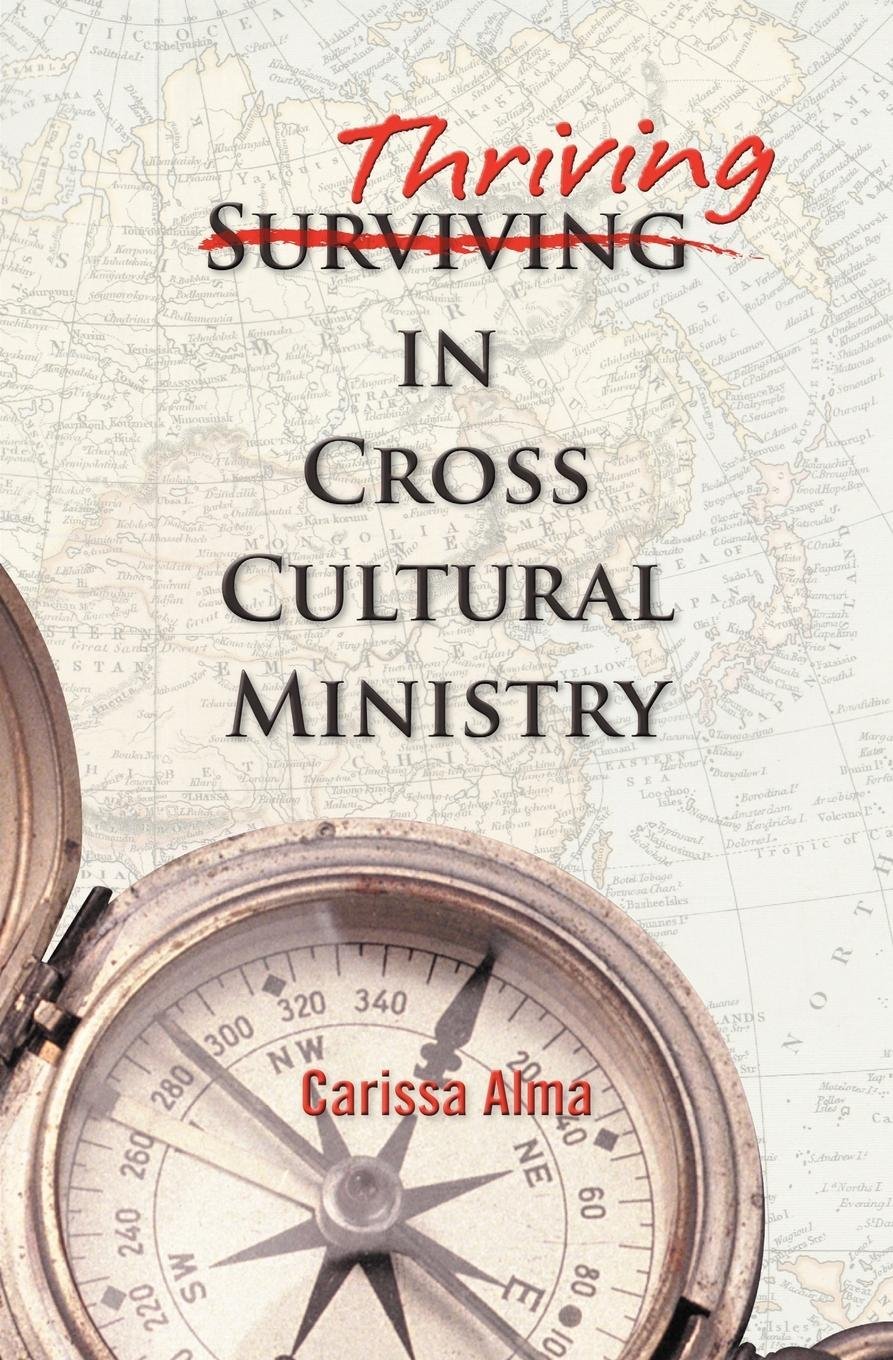
Thriving in Cross Cultural Ministry by Carissa Alma 

ticcm Our member care associate at home office recommended this very practical book to me. I have an ongoing conversation with my member care associate, who not only recommends books but is also available to debrief via email or Skype. I’ve greatly benefited from this relationship, so if you’re not in regular contact with your mission organizations’ member care person, I would highly recommend reaching out to them.

This book mirrored much of what I already thought, but the author went deeper, delving into things like spiritual warfare and endurance both on the field and in preparation for life on the field. And of course this lady had a dozen years of experience to back up what she was saying. It’s a good book to read before you hit the field, but it’s also good to read after you’ve arrived.

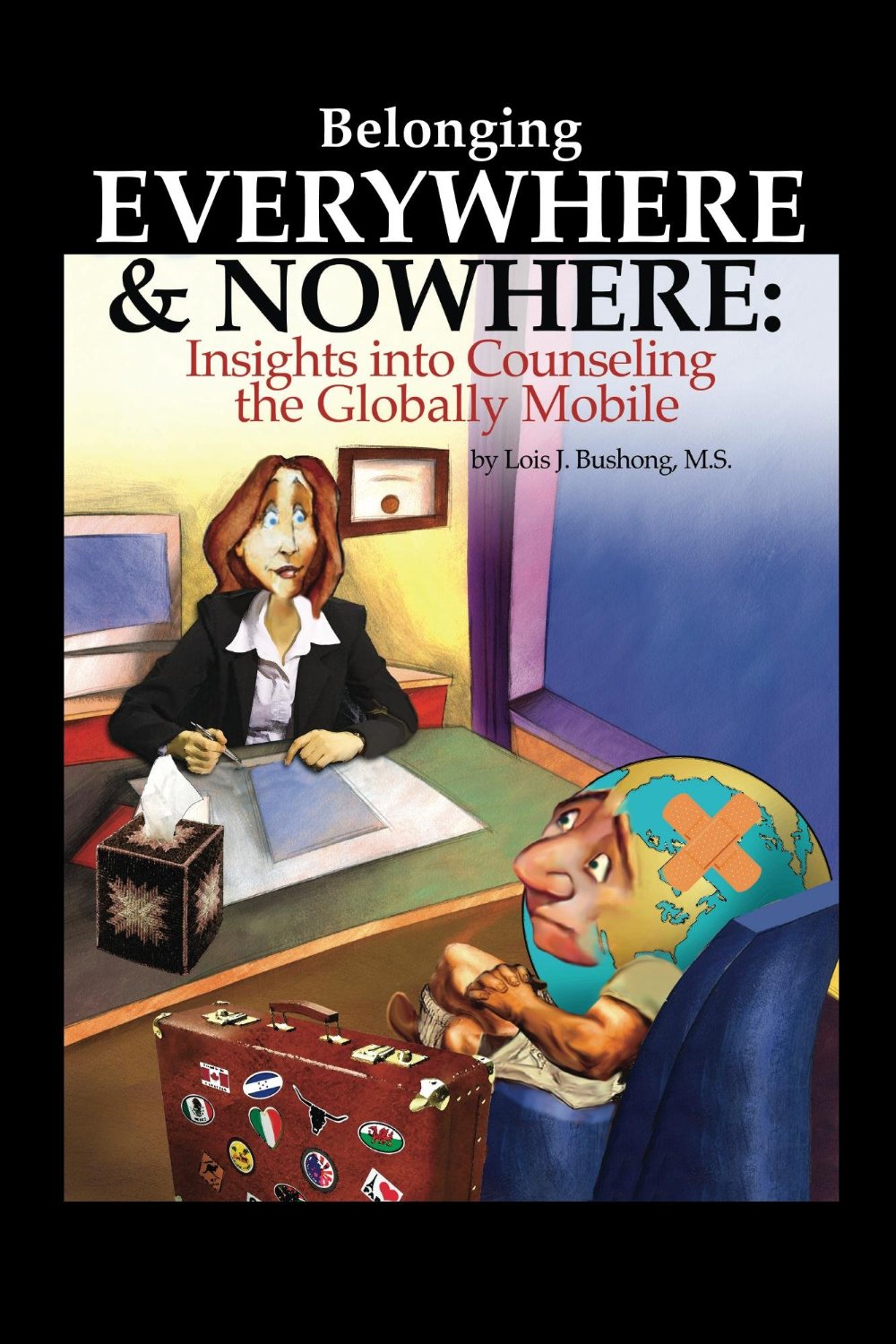
Belonging Everywhere and Nowhere by Lois Bushong

benicgm My member care person also recommended this book. And I’m passing on the recommendation to you, assuming you’ve already read Ruth Van Reken’s classic Third Culture Kids book <— if you haven’t already read this, go read it NOW. So many adult Third Culture Kids have not received sufficient help because many counselors do not have a grid in which to place the TCK. A counselor who is unfamiliar with TCK issues might have trouble figuring out how to help an adult TCK. TCKs already feel they don’t belong anywhere, and now even their counselor can’t figure out where they belong?? They might start to think something is really wrong with them, when in fact, they have normal issues that stem from their rather unusual childhoods. I love how Belonging Everywhere and Nowhere normalized TCK issues instead of treating them as pathological.

I read this book even though it’s actually geared more for counselors than their clients. Earlier this year I was dealing with major social anxiety regarding both online and real-life relationships. This anxiety was, upon closer inspection, related to my TCK experiences. Basically I go into any situation (especially new situations) assuming people won’t accept me or like me. I’m afraid that my first misstep will cause people to withdraw their love from me, and reject me. I believed this lie because, historically, I wasn’t accepted. My social anxiety had never been as debilitating as it was this spring, so I had never gotten help for it before. However, understanding the connection between the anxiety and the rejection has made it much easier for me to discard my anxious thoughts.

As Soon as I Fell by Kay Bruner

asaif

Kay is a master storyteller and had me laughing through the entire first third of the book. Then things got serious — because Kay was under a lot of pressure, and she also had trouble with boundaries. I could really relate, as I have trouble with boundaries too. I can’t seem to say no or stand up for my needs most of the time, and I just want to please everyone. When I fail to draw boundaries around my time and energy, I end up not meeting anyone’s needs, including my own, and I tend to become bitter about it. Kay’s story gave me the courage to choose my boundaries and then stick with them. Reading her words was like having the mentor I’ve always wanted. She understands emotions, speaks wisely and honestly from the heart, and blogs at kaybruner.com.

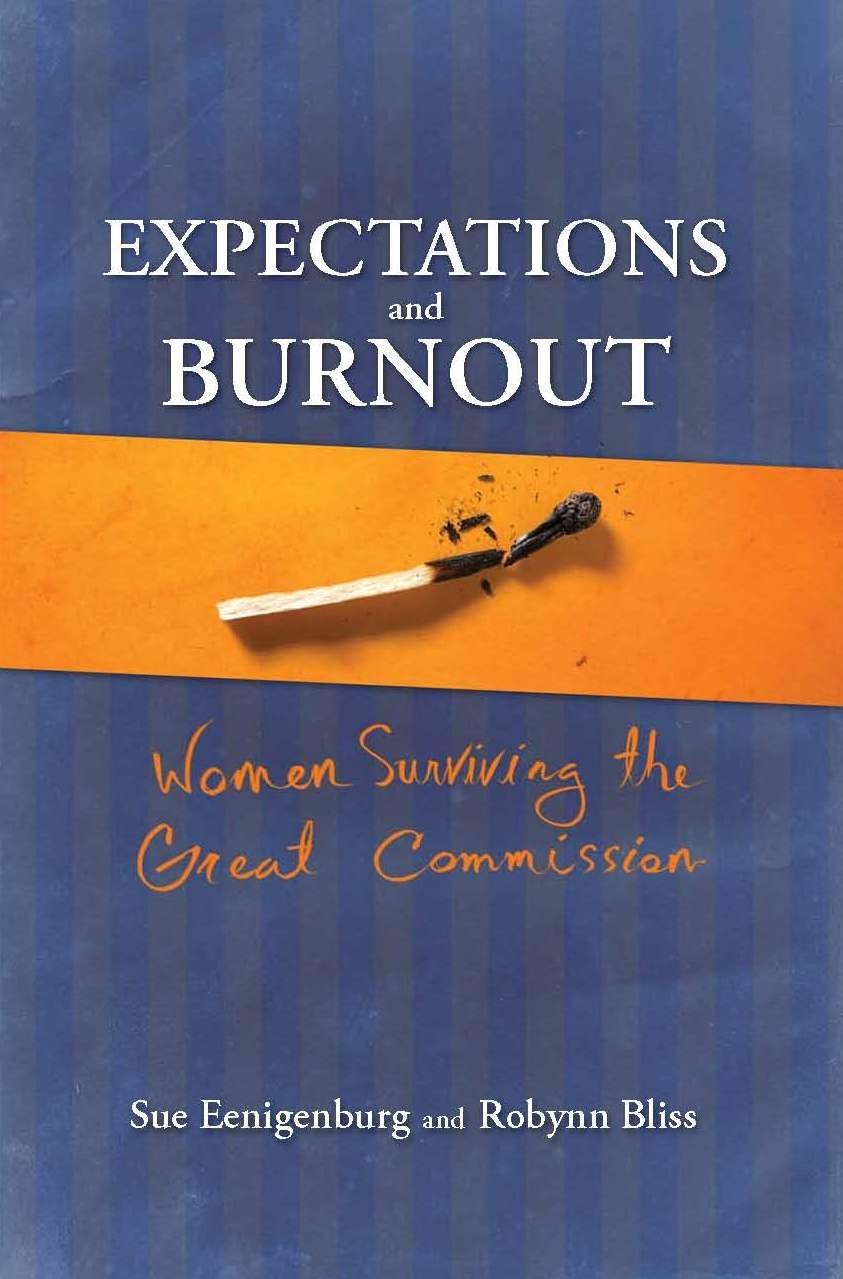
Expectations and Burnout by Robynn Bliss and Sue Eeningenburg

eab

Reading this book was also like having the mentor I’ve always wanted. Marilyn Gardner (see below) recommended this book as a resource when Jonathan was writing his Missionary Mommy Wars post. It was a compelling read that connected burnout to the myriad expectations women have in missionary life — expectations of ourselves, of others, even of God. Disappointments in all those areas accumulate over time and can contribute to burnout. The biggest lesson I took away from this book is that nurturing my relationship with God is one of the best things I can do to prevent burnout. One of the authors (Robynn Bliss) regularly writes for Marilyn’s blog under the heading Fridays with Robynn; her writing has a spiritual depth that I have seldom seen matched on the internet.

Between Worlds by Marilyn Gardner

bw Marilyn is like a spiritual midwife to me. She’s an adult TCK who raised her own TCKs, and I’ve learned so much from her. She has been gracious to me when I’ve been depressed and confused over my TCK junk, and she has encouraged me when I’ve felt down and depressed about my own writing. She blogs at Communicating Across Boundaries. Confession: I haven’t read this book yet. I’m waiting for it to come out on Kindle. But I love Marilyn so much that I know I will want to review her book here. I will be updating this page as soon as I can read it.

*********************Amazon Links***********************

Between Worlds

As Soon As I Fell: A Memoir

Thriving in Cross Cultural Ministry

Belonging Everywhere and Nowhere: Insights into Counseling the Globally Mobile

Expectations And Burnout*: Women Surviving the Great Commission

Anger Abroad {A Life Overseas}

Today Jonathan is over at A Life Overseas, writing about anger:

untitled

What do you think of these statements?

“Missionaries are some of the most peaceful people I know; they really seem to have figured out how to seek peace and pursue it.”

“Overseas workers are good at letting the peace of God rule in their hearts.”

Has that been your experience? Yeah, me neither. I think we’d NEVER use the word “peaceful” to describe ourselves or our coworkers. And I think that’s really, really sad. But anger’s not the problem. Anger’s the symptom that points to the problem. So I’d like us to pause and ask, “Where is our anger coming from? What’s going on under the surface of our souls?”

Often, the ones who don’t show anger just bury it. And then, like other negative emotions we’re not too fond of, it bubbles up. Like the deepwater oil rig in the Gulf, something blows, and black tarry stuff explodes from the deep and ruins paradise (or Florida).

To read more, click here.

Missionary Mommy Wars {A Life Overseas}

by Jonathan

I just want to come out and say it; I’m not a mommy. Shoot, I’m not even a woman. (OK, those were some of the weirdest sentences I’ve ever written.) But despite my obvious shortcomings, I’m still writing this article. Here’s why:

I look around and see young moms and experienced moms who are serving cross-culturally, and they’re under siege. I see them, battle-weary and bleary-eyed, burdened by expectations that would crush the strongest. I see them wrangle toddlers and tonal languages. I watch them brave open-air markets with raw meat hanging on hooks and open-air homes with neighbors peering in through windows.

Click Here to continue reading this post on A Life Overseas…

A814AB Section of barbed wire. Image shot 2003. Exact date unknown.