by Elizabeth

From the title you can probably guess that this one’s for the ladies. (All you guys out there can take a pass.)
And truly, I never thought I would blog about this. But someone recently asked me for advice on dealing with PMS. I didn’t know the specifics of her situation (PMS symptoms run the gamut of the physical and emotional), so I just threw everything I had at her, hoping something would stick. My husband looked at my list and told me that it could help a lot of people and that I should turn it into a blog post.
So here we are, talking about Pre-Menstrual Syndrome in a public forum.
First let me give you all the caveats. I am not a medical professional. I am not a nutritionist or dietitian. I am just a 38-year-old woman who has had to get better control over her physical and emotional states in the past year, because the situation had become desperate. I dreaded half of every single month, and so did my husband.
I’ll simply be sharing things that worked for me. I recommend that you do your own research and talk to your own doctor before making any changes. I talked with both my nurse-midwife and a friend who is an OB-GYN about most of these things, and I’ll note their advice in each section.
I would also recommend that you start slow. You want your changes to be sustainable over the long run. I’ll be sharing a lot of options here. Starting small and getting a handle on just one or two things first, before adding anything new, can go a long way in making these changes permanent lifestyle changes. And that’s what you want – permanent changes. You won’t be able to sustain the benefits if you can’t sustain the habits.
I would also encourage you to be patient. Your mind and your body will improve in response to your changing choices, but it takes time, sometimes a lot of time. In my experience the physical symptoms improved long before the mental symptoms improved, but they did improve over time. Some sources say to wait at least 3 months before expecting meaningful change – that’s how long our hormonal systems need to adjust.
Everything is cumulative, so there’s a sort of snowball effect that happens when you’re able to implement a bunch of strategies at once, but it’s also true that every small change can be helpful. So don’t lose heart in the beginning.
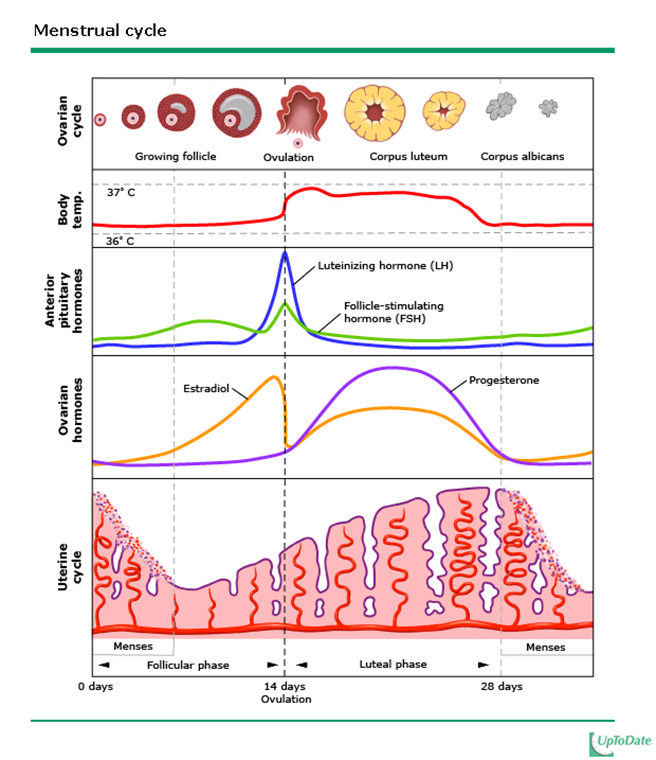
Ok, now that that’s done, here’s a little medical definition of PMS, according to my OB-GYN friend: “Ovulation is marked by massive progesterone surge, and progesterone stays elevated until just before the next menses. Hence the ‘premenstrual’ syndrome is more accurately a ‘post-ovulation-syndrome.’ Progesterone causes fluid retention, can be associated with irritability and depressed mood, and in general is a pain in our heads!”
Here are the main pre-menstrual (or post-ovulation) symptoms I was dealing with: anxiety, moodiness, snappiness, irritability, recurrent female infections, breast tenderness, and to a lesser extent, acne.
I was also dealing with menstrual cramps and migraine headaches on first day of my cycle and/or the day before.
In this article I’ll be discussing diet. In the following articles in this series, I’ll discuss supplements, movement & rest, and emotion/cycle tracking.
I’m starting with diet because that’s a place where a lot of us fall short. I don’t think we can just pop a pill or swallow a supplement and watch our symptoms magically disappear, not if we are dumping garbage into our temples. We have to do the work of changing how we eat.
I have a history of an eating disorder, and for years I ate a highly unbalanced, carb-heavy, nutrient-light diet. However, I paid very careful attention to my eating when I was pregnant and nursing, because someone else’s well-being was depending on me. But when I was done with those precious childbearing years, I let a lot of my healthy eating habits lapse. This has been especially true in the midst of stressful overseas living. So believe me when I tell you, I had a lot of room for growth.
Here’s a list of some changes you can make, along with the potential symptoms they relieve, according to what I’ve read and experienced. Explanations and plans for implementing the changes can be found in each section, along with my personal stories.
- Decrease caffeine intake: reduces anxiety, breast pain, and sleep disturbances.
- Decrease sugar and refined carbohydrates: reduces mood swings, acne, and female infections.
- Increase quality protein, fats, and fiber: reduces anxiety, acne, and mood swings.
- Decrease alcohol: reduces sleep disturbances.
- Decrease dairy: reduces breast tenderness.
1. Decrease caffeine
I had developed a dependence on coffee in language school and over the years had increased my intake to 3-4 cups per day. That’s how much I needed to get through a day. Now that I’ve given it up, I realize what a large amount of caffeine I was consuming. And interestingly, now that I don’t drink coffee, I actually have the energy to make it through my days without coffee.
Caffeine can be problematic for many reasons including sleep, anxiety, and breast tenderness. Caffeine is a stimulant – that’s how it keeps you awake. It can make your heart race and worsen your anxiety. With all the extra stress and screen time in our modern lives, the last thing most of us need is an extra stimulant.
And indeed, I initially decided to cut out caffeine because of my rising anxiety. I had anxiety every day of my cycle, but it spiked really high after ovulation (mid-cycle) and didn’t drop until my next cycle began. And even then, the anxiety didn’t really disappear. It was just less than the anxiety of the pre-menstrual period.
But it was so hard for me to give up the caffeine! It took me a full 2 months to cut out all the coffee. I cut out a cup at a time and waited for my body to adjust. It basically took me two weeks to adjust to every cup (or half cup) that I cut out. I was tired all the time and got a lot of headaches. Eventually I was able to switch to decaf coffee.
I love a hot drink. It’s so comforting. But these days you’ll find me drinking either that decaf coffee or various herbal teas. My favorite herbal teas are peppermint, spearmint, chamomile, and rooibos (red). These teas are all supposedly good for anxiety. Even if they have no positive effect on anxiety, at least they are all caffeine-free and thus have no negative effect.
It’s important to note that decaf coffee still has caffeine in it, but it’s greatly reduced. I seem to do fine on the decaf, though, even when drinking it at night with my husband. I also still eat dark chocolate and will occasionally drink green tea (but I’ll explain that in another section).
After I gave up coffee, I drank black tea (which has less caffeine than coffee) on vacation and noticed a marked increase in anxiety that week/month. And then there was that one boiling hot April morning without electricity when I drank an iced coffee trying to cool off. I thought I would be fine, but my body reacted really badly to the caffeine. My heart began to race, my breathing sped up, and I felt flushed all over (the opposite feeling from what I was going for), so I really do avoid regular coffee.
2. Reduce sugar and refined carbohydrates
Just like the coffee, the sugar and processed food consumption sneaked up on me. I was busy homeschooling four kids and running a website. I began depending more and more heavily on packaged foods for myself and my kids, simply because it saved time. Super sweet yogurt drinks, packaged crackers or cookies, lots of white pasta and canned sauces.
But sugar wreaks havoc on our hormones, beginning with blood sugar dysregulation and ending with terrible moodiness. When we consume sugary or sweet things, our blood sugar levels spike, forcing our pancreas to pump out a bunch of insulin to shuttle that unnatural amount of sugar out of circulation and into our cells.
Unfortunately, the pancreas usually overshoots. That’s because it is sensing the rate of the blood sugar rise, not the amount of sugar. (I will refrain from geeking out over calculus here.) Our bodies don’t know that the sugar intake will stop; they just know that the blood sugar is rising too rapidly for safety. So the pancreas dumps too much insulin into our systems.
This leads to a blood sugar crash. Blood sugar drops below the normal level, making us hungry again very quickly and also making us moody. So we reach for something sugary again. When we eat this way, we are willingly putting ourselves on an emotional roller coaster. We end up snapping at our families, and they don’t deserve to be snapped at simply because we haven’t taken the time and attention to nourish ourselves well.
Alternatively, if we can’t get to food when our blood sugar drops low, our adrenal glands will work to increase our blood sugar without food consumption. This is quite an elegant system, but when we abuse it by depending on it on a daily basis, we can wear our adrenals out. (Caffeine is another one of those adrenal stressors, and depending on it to get through your day is another way of wearing out your body.)
Additionally, sugar consumption (in all its forms) tamps down on our immune systems. So even though we crave sugar and may even claim that we feel better when we eat it, it’s just bad for us, all around. As my OB-GYN says: “You have insulin jumping in here to help confuse the picture, so take the avoidance of simple carbs part seriously.”
Practically speaking, cutting out sugar can be harder than it sounds. Sugar lurks in a lot of places, including cereal, yogurt, peanut butter, pasta sauces, salad dressings, and salsa. I didn’t even have a sweet tooth. I wasn’t craving or eating a lot of desserts. I just ate too many simple carbs.
So I had to find and eliminate the hidden sugars and refined carbohydrates (which are so broken down already that they act nearly like sugar in the body). I was really dedicated to eliminating sugars because of repeat infections in the pre-menstrual period. I was losing my mind and could not handle any more of these painful infections.
Here are a few examples of the changes I made.
- Boxed cereals. Oh how I loved Cinnamon Life and Cheerios (when I could find them on the shelves). Now I will occasionally eat cooked whole grains like buckwheat, millet, quinoa, or oats, but not every day.
- Refined grains. I stopped eating packaged crackers (there are some really yummy ones here, but they are all made with a lot of white flour and sugar). I stopped eating Pringles (in years past I could down half a can in one sitting, especially when I was really hungry). I will occasionally eat popcorn with a movie. I eat tortilla chips with our favorite bean soup probably once a week.
- Pasta, rice, and bread. I stopped eating white rice with our Khmer lunches and just eat the main dish by itself. I stopped eating pasta, couscous, and bread. {If you’ve known me since adolescence, you’ll know what a big change this was for me.}
- Yogurt. I stopped drinking sweetened yogurt drinks and stopped eating regular sweetened yogurt. I started buying an unsweetened yogurt (made locally here). It was so sour at first I could hardly stand it, but I forced myself to keep eating it. Now it tastes only slightly sour to me. I’m sometimes able to find unsweetened kefir here locally too. (Kefir is a fermented dairy drink with more probiotics than yogurt, but it definitely still tastes sour to me.)
- Peanut Butter. I love peanut butter! But I stopped eating regular peanut butter and started buying natural, unsweetened peanut butter (also made locally). I also started eating nuts for snacks.
- Salad dressings, pasta sauces, salsas, and seasoning packets. I still use these on occasion, but I’ve also made my own sometimes. Since I don’t use them very often, this hasn’t been an area of too much concern for me, although it is another way to cut down sugar if you want to.
- Coffee creamers. Yes, I used to put these non-dairy coffee creamers in my coffee. Yuck. They contain extra sugars and bad fats and are full of strange-sounding chemicals. It’s shocking to think about how many of these little creamer packets I used to use! Now I stick to plain coconut milk.
3. Replace the junk with quality proteins, fats, and fiber.
I’ve heard it called “carbage” — a clever combination of “carbohydrates” and “garbage.” But you can’t just cut out sugar and refined carbs; you have to add in the good stuff too. Protein, fat, and fiber blunt your blood sugar response to any carbs you might eat. They keep you feeling full longer and supply sustained energy over several hours. This will help with the moodiness and irritability.
There are other reasons for protein, fat, and fiber too.
- You need a sufficient amount of amino acids (which are found in protein) to make your neurotransmitters (happy chemicals in the brain). Eating a lot of protein is therefore especially important for dealing with anxiety. In fact one counselor told me that “anxious brains need a lot of protein.”
- You need enough healthy fats for your body to produce and stabilize your female hormones as well as build healthy skin and tissues.
- And you need fiber (both soluble and insoluble) to feed the good bacteria in your intestines, keep your digestion regular, and to eliminate excess hormones in your body.
I will be honest with you. I made mistakes on this road. When I first cut the carbs, I suddenly couldn’t find enough to eat. Everything I had been eating was processed or taboo in some way. I was afraid to eat nearly everything except eggs, yogurt, chicken, and nuts. I was afraid of the dangerous, hidden carbs in everything. I wouldn’t even eat complex carbs. That made for a hungry, hangry momma.
It also made me accidentally lose some weight, weight I probably shouldn’t have lost. (I have since regained it.) I was so afraid of foods that could potentially make me sick again. I developed so much anxiety around food, and that just added to all the anxiety in my life. I kept thinking of food as potential poison rather than nourishment. It took me a while to relearn how to eat complex carbs.
So this is where I will quote my midwife: “Complex carbs are fine.”
And here’s what constitutes a complex carb: beans, vegetables, and the occasional whole grain. Complex carbs are not, as I thought in high school, a dish of pasta or a bowl (or bag) of pretzels. Complex carbs are slow-burning. The fiber in beans and vegetables is especially nourishing to our systems. (In my opinion, whole grains don’t offer the same amount of nutrition as beans and vegetables.) But when I first started on this healthy eating journey, I was even afraid to eat them. Now I find that I feel so much better when I do eat enough plant foods. So don’t be like me. Eat your veggies and beans.
In fact, my anxiety and breast tenderness spiked even higher when I first cut out the carbs. I could tell the very instant I ovulated, because my hormones shifted, my progesterone soared, my anxiety spiked, and strong breast pain appeared out of nowhere. What I eventually figured out was that I was depending too much on animal products. The first form of plant fiber/protein I added back in, as a way to counter all those animal foods, was beans. I found that when I put the beans back in, the breast tenderness very quickly subsided.
This is the advice my OB-GYN friend gave me: “Eat many anti-oxidant foods (blueberries, spinach, kale), other veggies, legumes, complex proteins.”
And here is where I get my protein these days:
- Yogurt, kefir, and cheese.
- Beans of all kinds. (Hummus and other bean dips, along with bean and lentil soups.)
- Chicken and eggs.
- Nuts, seeds, and nut butters. (I like walnuts, cashews, pumpkin seeds, and flax seeds the best, but I can’t always find them cheap enough or at all, so I take what I can get, when I can get it.)
Here is where I get my fat these days:
- Eggs.
- Yogurt and cheese.
- Nuts, seeds, and nut butters. (Notice how several of these items do double duty here? Nice.)
- Butter (for cooking eggs), olive oil (for dressings and hummus), and coconut oil. (Yes, I know that last one is controversial, but I’m sufficiently comfortable with it to eat it, especially when mixed with a nut butter and some cocoa powder – yum!)
- I eat 85% dark chocolate when I can find it. I still consider 70% too sweet.
Here is where I get my fiber these days:
- Beans
- Vegetables (My go-to veggies are carrots, cauliflower, broccoli, bell peppers, cucumbers, and leafy greens.)
- Garlic and onions (They’re good for the immune system and have a special kind of fiber that feeds the good bacteria inside us.)
- Flax seeds (They also do double duty on fats.)
I know that we are “supposed” to get a lot of our proteins and essential fatty acids from fatty fish, but I will again be honest and tell you that fish is not one of my favorite things. I wish I could like it, but at this point, I don’t, and it’s not worth it to me to try to force myself. Neither do I like taking fish oil. It makes me gag and burp. I figured that out several years ago when I was looking into natural ways to prevent migraine headaches. But if you like fish or fish oil, more power to you.
Something I’ve noticed is that if I eat a lot of fatty meat in a month (like sausage), or if I don’t eat enough vegetables, I have more pre-menstrual breast pain. So while I’m not afraid of eating fat, and while I get a lot of fat from my nuts and seeds, I have noticed that the fatty meat affects my body. So watch how various animal products affect you, and cut down on the ones that most noticeably make your symptoms worse.
The upside to all this protein is that for the first time in my life, I can grow long, strong nails without the help of polish. I wasn’t going for that, but it’s a nice side benefit.
Another upside to all these dietary changes (and I don’t know whether that’s the reduced sugar intake or the increased healthy fat intake or both) is that pre-menstrual breakouts have lessened. My main complaint wasn’t acne, but I did break out in the week before my period, sometimes painfully so. That happens much less now. I never would have undertaken such extensive life changes just for the acne, but it sure is a pleasant side effect.
(Full disclosure: For years I have used a topical salicylic acid lotion once a day to treat and prevent acne. I still had monthly breakouts in those years. And I also still use that lotion, even while eating differently.)
All these personal changes mean I’ve changed the way we eat as a family too. I don’t force my children to eat the unsweetened yogurt or nut butter or to stop eating cereal, but I do cook them a whole lot more eggs and beans (and sometimes eggs and beans together), and we eat a lot more fresh veggies.
I use a lot more spices in my cooking, especially garlic and onions which are good for the immune system, as I mentioned. I also use a lot of turmeric and cumin. (I adore cumin.) That’s something else that’s happened — learning to use more spices means food tastes a lot better than before. And the children have definitely noticed that.
A note about some things I haven’t done: I haven’t asked my helper to change the way she cooks. She makes us one Asian dish per day, and know she puts sugar and maybe even MSG in the chicken, and she cooks the chicken in soybean oil. I have not known how to approach this issue from a culturally appropriate standpoint. Friends who have tried to have these conversations with their helpers have often run into difficulty. So at this point I just eat the meat dish without the rice and figure I’m doing the best I can in other areas of my life.
A word about eating out: I don’t stress about this either. I just choose the best option I can find. That usually means something with either a lot of protein or a lot of vegetables, or both. For a time I found that it was best for me to take little containers of nuts everywhere I went just to be on the safe side (and because I was constantly hungry). Or I ate something with protein before I headed out to a meeting that might only serve carbohydrate-rich foods. But I stress less about it now. What I’m saying is, make the changes you can feasibly make, and celebrate your successes. Then don’t worry about the rest.
4. Decrease alcohol.
Why is a Christian missionary even talking about alcohol on her blog?! Well, because some missionaries drink alcohol (shocking, I know). Some of them even drink alcohol as a form of stress relief. And my readers aren’t just missionaries, either. So I really felt I should mention this one.
I had never even tasted alcohol until I was 27. I was afraid to try it, convinced even one sip would inebriate me. There are some alcohol addiction issues in my extended family that made me want to avoid it altogether. In the years since first tasting alcohol, I only ever drank wine a few times a year, and the most I ever drank was 1/8 of a cup, which felt like plenty for me. I also love a good gin and tonic, ever since a friend introduced the drink to me.
However, alcohol was never something I “needed” for stress relief. So when I explained all my symptoms to my OB-GYN friend, and she told me that the “best natural remedies are diet: avoid high salt, processed carbs, artificial sweeteners, MSG, alcohol, caffeine,” I had no trouble giving up the alcohol. I do occasionally miss the gin and tonic, but with all the sugar in it, I simply don’t want to consume it.
Other women have told me that alcohol affects their sleep. Alcohol seems to relax us and even make us feel sleepy, but it actually interferes with the deeper cycles of sleep. So if sleep is an issue for you (especially if the fatigue makes you grouchy the next day), and you consume alcohol from time to time, you might consider stopping.
5. Decrease Dairy
A lot of sources claimed that dairy exacerbates PMS (specifically breast tenderness and acne) and recommend that people keep it to a minimum. I did not end up cutting out dairy. I love the protein and probiotics in my yogurt and kefir (not to mention the taste of cheese!). I’ve gotten such great results from all the other changes I made that I never made this one.
But I do have to watch the cheese. I usually eat cheese about once a week (it’s kind of pricey here), and I’ve noticed that, similar to the fatty meats, if I eat more cheese than that, I do notice more breast tenderness that month. So I can do yogurt and kefir daily, but not cheese. The moral of the dairy story? Find what works for you, and do that.
I think that’s enough information for now. Here’s a summary of the potential dietary changes I discussed and their potential benefits:
- Decrease caffeine (to reduce anxiety, breast pain, and sleep issues).
- Decrease sugar and refined carbs (to reduce mood swings, acne, and infections).
- Increase protein, healthy fats, and fiber (to reduce mood swings and anxiety).
- Decrease alcohol (to improve sleep quality).
- Decrease dairy (to reduce breast pain and acne).
Part 2: Potential Supplements
Part 3: Movement and Rest
Part 4: Tracking Your Cycles