by Elizabeth
I love to read. I’ve loved to read all my life. I used to spend school summers doing just three things: riding my bicycle, swimming in our neighborhood pool, and reading books. Ever since we moved overseas, though, I’ve let some of my reading habits die. I was too tired to read at night. My brain was too exhausted to read my favorite subject, science. I missed my local library, just two blocks from my house. I missed its endless supply of free books. And I missed real books — you know, the hardcover and paperback variety.
But if I want to read overseas, I’ve had to accept that I may need to read on my Kindle (which hurts my eyes far less than blogs on a computer screen, by the way). I’ve had to accept that I might need to spend a bit of money on Kindle books as well. And I’ve had to rearrange my schedule so I’m not too tired to read. The following are missions-related Kindle books I’ve read in the last year. They made a big impact on me, so I wanted to pass them on to others. (Amazon links are at the bottom of the post.) I know nothing of missiology; that’s my husband’s department. At night before bed, he reads the challenging topics, like Anthropological Insights for Missionaries, Bible stories in Khmer, and counseling training books. I keep it a little lighter with missionary memoirs and practical advice on surviving and thriving overseas.
These books have been like mentors to me, and that is something I’ve been seeking for a while now. I’ve learned so much from the women who wrote these books. Reading their words feels like I’m just chatting with them over coffee, sharing life. I hope they bless you as much as they have blessed me. So without further ado, here they are:
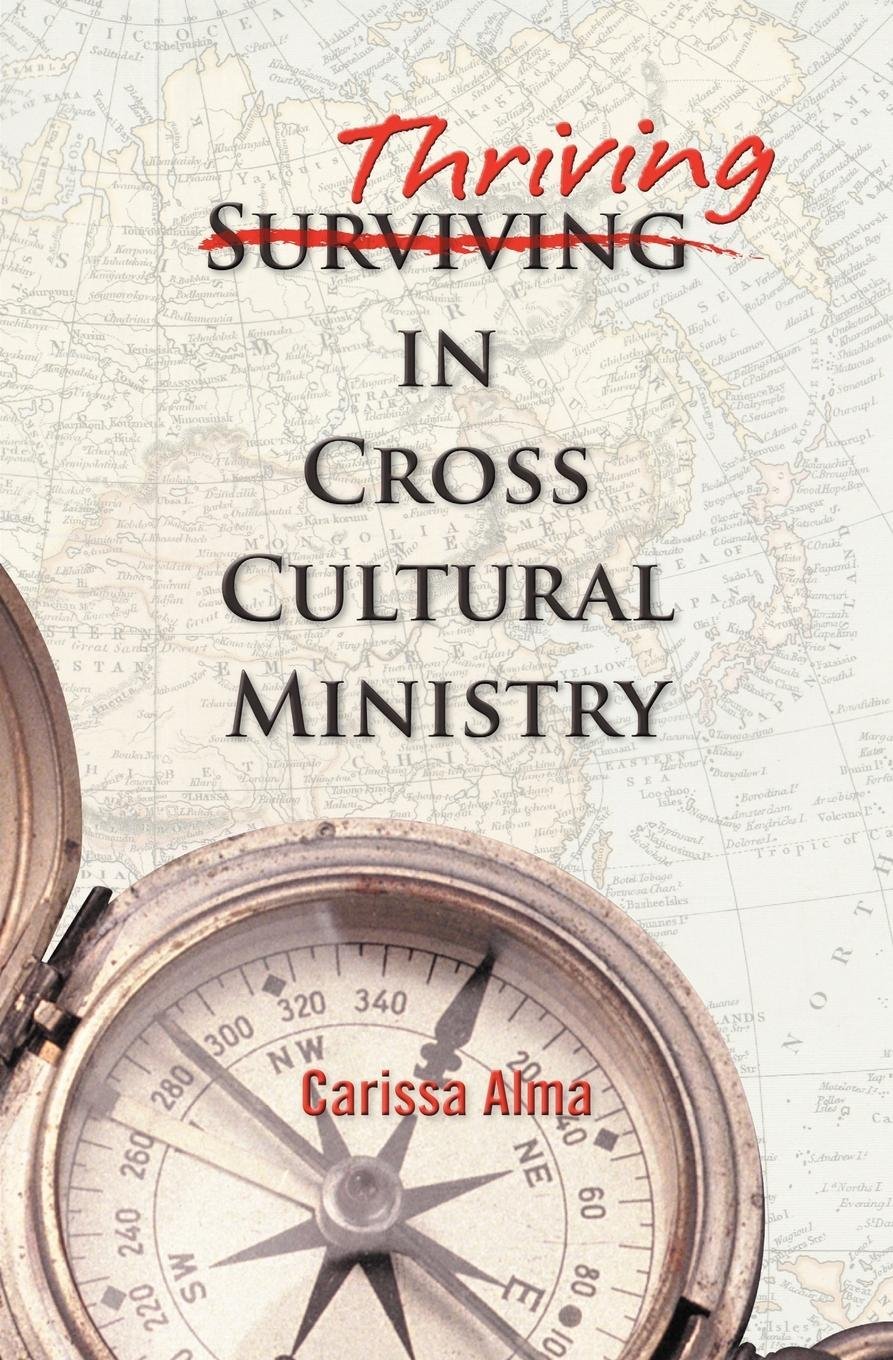
Thriving in Cross Cultural Ministry by Carissa Alma
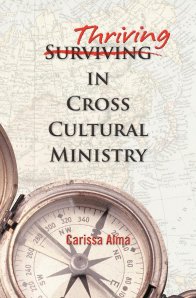 Our member care associate at home office recommended this very practical book to me. I have an ongoing conversation with my member care associate, who not only recommends books but is also available to debrief via email or Skype. I’ve greatly benefited from this relationship, so if you’re not in regular contact with your mission organizations’ member care person, I would highly recommend reaching out to them.
This book mirrored much of what I already thought, but the author went deeper, delving into things like spiritual warfare and endurance both on the field and in preparation for life on the field. And of course this lady had a dozen years of experience to back up what she was saying. It’s a good book to read before you hit the field, but it’s also good to read after you’ve arrived.
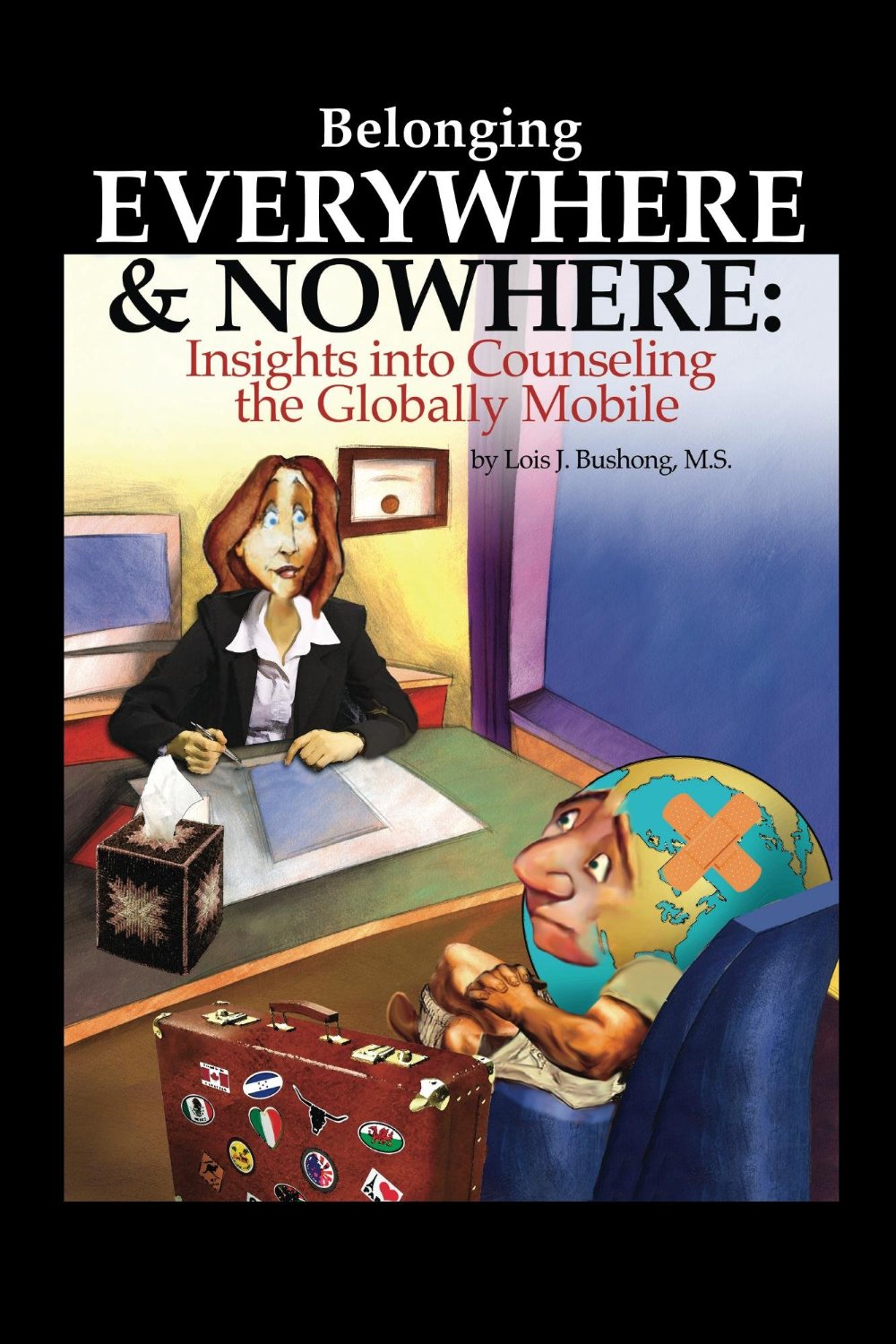
Belonging Everywhere and Nowhere by Lois Bushong
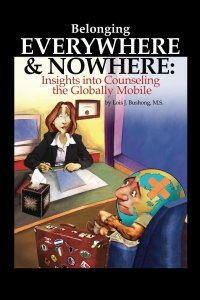 My member care person also recommended this book. And I’m passing on the recommendation to you, assuming you’ve already read Ruth Van Reken’s classic Third Culture Kids book <— if you haven’t already read this, go read it NOW. So many adult Third Culture Kids have not received sufficient help because many counselors do not have a grid in which to place the TCK. A counselor who is unfamiliar with TCK issues might have trouble figuring out how to help an adult TCK. TCKs already feel they don’t belong anywhere, and now even their counselor can’t figure out where they belong?? They might start to think something is really wrong with them, when in fact, they have normal issues that stem from their rather unusual childhoods. I love how Belonging Everywhere and Nowhere normalized TCK issues instead of treating them as pathological.
I read this book even though it’s actually geared more for counselors than their clients. Earlier this year I was dealing with major social anxiety regarding both online and real-life relationships. This anxiety was, upon closer inspection, related to my TCK experiences. Basically I go into any situation (especially new situations) assuming people won’t accept me or like me. I’m afraid that my first misstep will cause people to withdraw their love from me, and reject me. I believed this lie because, historically, I wasn’t accepted. My social anxiety had never been as debilitating as it was this spring, so I had never gotten help for it before. However, understanding the connection between the anxiety and the rejection has made it much easier for me to discard my anxious thoughts.
As Soon as I Fell by Kay Bruner

Kay is a master storyteller and had me laughing through the entire first third of the book. Then things got serious — because Kay was under a lot of pressure, and she also had trouble with boundaries. I could really relate, as I have trouble with boundaries too. I can’t seem to say no or stand up for my needs most of the time, and I just want to please everyone. When I fail to draw boundaries around my time and energy, I end up not meeting anyone’s needs, including my own, and I tend to become bitter about it. Kay’s story gave me the courage to choose my boundaries and then stick with them. Reading her words was like having the mentor I’ve always wanted. She understands emotions, speaks wisely and honestly from the heart, and blogs at kaybruner.com.
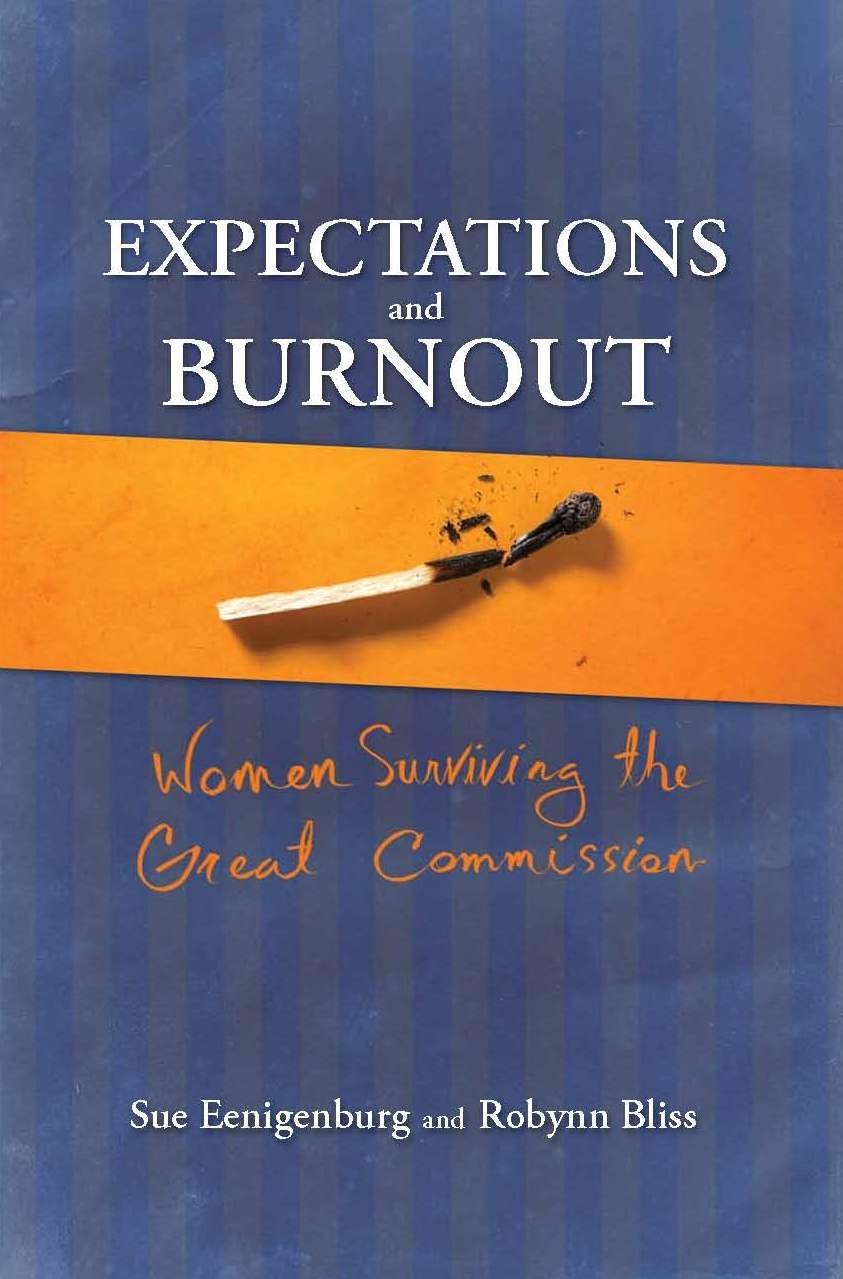
Expectations and Burnout by Robynn Bliss and Sue Eeningenburg
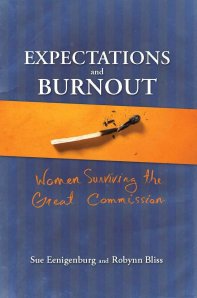
Reading this book was also like having the mentor I’ve always wanted. Marilyn Gardner (see below) recommended this book as a resource when Jonathan was writing his Missionary Mommy Wars post. It was a compelling read that connected burnout to the myriad expectations women have in missionary life — expectations of ourselves, of others, even of God. Disappointments in all those areas accumulate over time and can contribute to burnout. The biggest lesson I took away from this book is that nurturing my relationship with God is one of the best things I can do to prevent burnout. One of the authors (Robynn Bliss) regularly writes for Marilyn’s blog under the heading Fridays with Robynn; her writing has a spiritual depth that I have seldom seen matched on the internet.
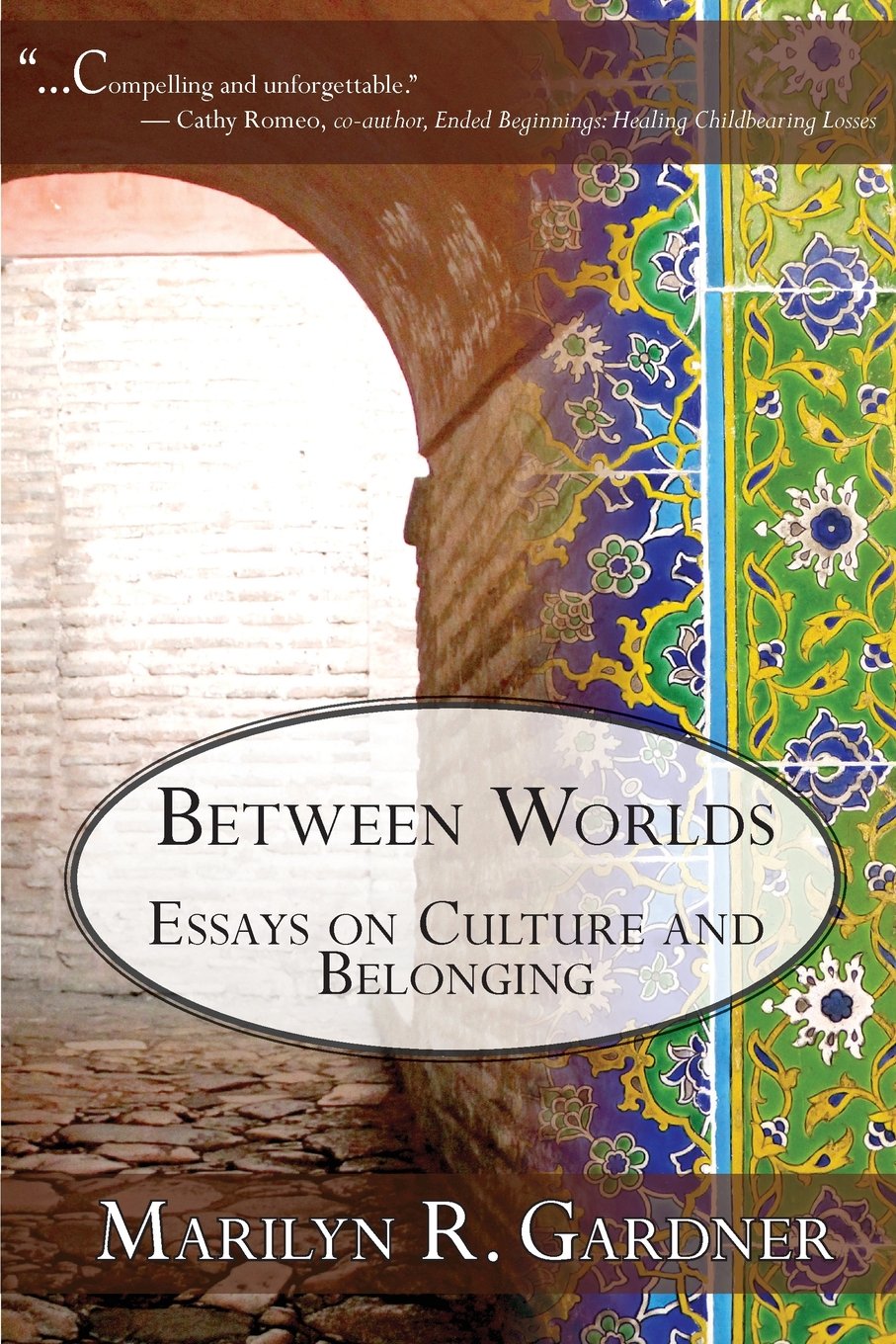
Between Worlds by Marilyn Gardner
 Marilyn is like a spiritual midwife to me. She’s an adult TCK who raised her own TCKs, and I’ve learned so much from her. She has been gracious to me when I’ve been depressed and confused over my TCK junk, and she has encouraged me when I’ve felt down and depressed about my own writing. She blogs at Communicating Across Boundaries. Confession: I haven’t read this book yet. I’m waiting for it to come out on Kindle. But I love Marilyn so much that I know I will want to review her book here. I will be updating this page as soon as I can read it.
*********************Amazon Links***********************
Between Worlds
As Soon As I Fell: A Memoir
Thriving in Cross Cultural Ministry
Belonging Everywhere and Nowhere: Insights into Counseling the Globally Mobile
Expectations And Burnout*: Women Surviving the Great Commission