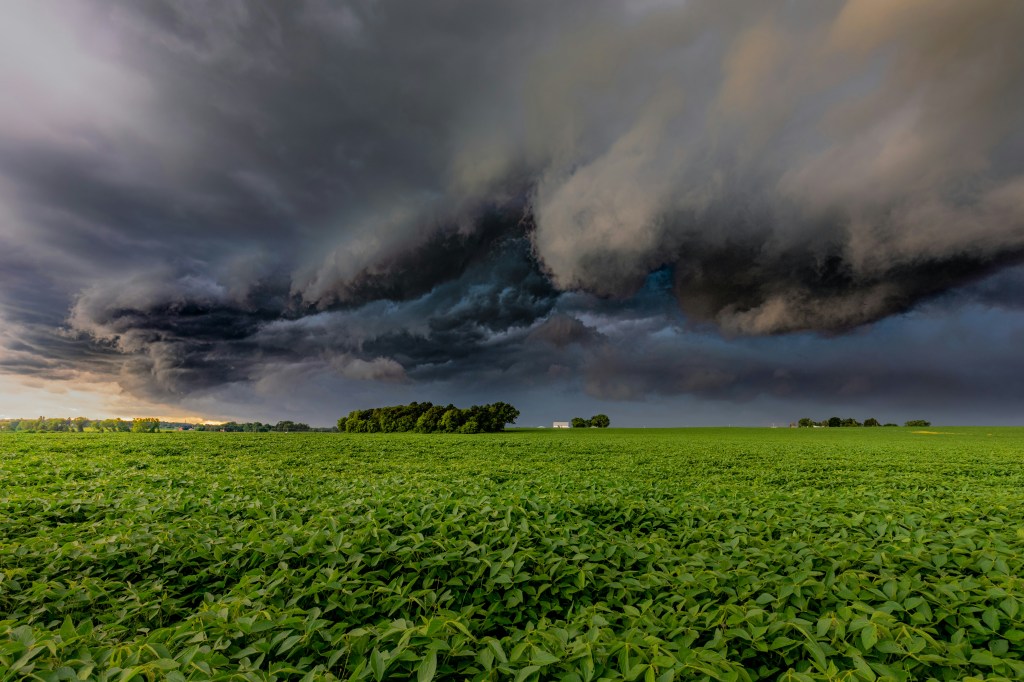
Summer started with a storm. A literal storm — trees, branches, limbs down. It was a huge clean-up mess for the entire city. Truck owners and chainsaw owners were making the rounds, assisting neighbors who didn’t have these tools. A couple families offered to help us on a Sunday afternoon.
I was exhausted, had been for days, but I took a nap and forced myself to partake anyway. I just needed to push through this stupid perimenopausal fatigue and help out. Days later I would learn I wasn’t just getting old, and I wasn’t just being lazy. I really was sick. I probably shouldn’t have worked that hard in the yard. I probably shouldn’t have picked up those heavy logs; it increased the strain on my heart. But I didn’t know.
It reminded me of the time in junior year when my parents needed my help with a work event. That morning I’d woken up not feeling great, but I pushed through because I was needed. I worked in the hot sun all day, then woke up burning with fever the next morning. Turns out I had strep, strep that wouldn’t even respond to the first round of antibiotics. I needed stronger medication to kick that bacterial infection. I guess I’m not always the best at listening to my body. But I digress.
After the thunderstorm came the thyroid storm. Not literally, thank the Lord. I managed to avoid the medical definition of a thyroid storm, but I had to watch for the signs, because a few times I thought I was coming close. Rapid heartbeat, shaky limbs, breathlessness, profuse perspiration, intense throat pain, and difficulty swallowing because of the swollen thyroid gland. A couple times I almost went to the ER while my husband was on a mission trip in Poland. But my temperature never spiked high enough, so I didn’t.
Then came the spiritual storm. This summer I was so desperate for God — fell flat on my face in need of Him. I felt so useless. The physical weakness made me more spiritually attuned, and I learned things about myself that I didn’t know before. It opened me up to Him and His voice. It softened my heart. I didn’t have much energy or even usefulness, but I had communion with God.
As I continued to heal, I had setbacks. I would improve and then regress. I had to see more doctors, get more bloodwork, take more medication. My limitations were ever before me, and progress sometimes seemed to stall. Healing — whether emotional, physical, or spiritual — can be slow, like the cleanup after a storm. There’s no avoiding the wait, no avoiding the need for patience and perseverance or the ability to tolerate a little (or big) mess.
Post-storm, there are huge limbs to take care of. They have to be cut down and dragged across the yard and hoisted onto a vehicle large enough to hold them, then hauled away. Large limbs must be chopped into smaller logs, perhaps small enough to use as firewood. Leafy branches must be separated from woody stems, then collected. Tiny sticks, especially in the case of Bradford pear trees, must be picked up by hand. So many tiny sticks.
Our city planned an extra trash pickup for the storm debris. A neighbor had helped us haul away some of the larger limbs, but we still had more limbs, so we set a lot of brush on the side of the road, just like all our neighbors. And after we moved everything to the curb, we still waited weeks for the pickup on our street.
Healing is a little like that. There are lots of layers involved. It’s slow. You think you’ve cleaned everything up in one area, and yet you find another mess needing attention. You make a pile over here and think it’s complete, only to find out it’s not. And then you turn around and see another pile, overflowing and losing its structure. You have to thin out the pile and separate leaves from branches again.
Sometimes you have to take a break before diving back in. But eventually the chaos starts to clear and you start to see a semblance of your original yard. There might be parts missing. Some sections might regrow, some sections might not; you don’t know yet. You just have to wait — and keep picking up the little sticks as you find them.

